
# Open vs. Enclosed Car Transport: Which Is Best for Your Vehicle?
Choosing a vehicle shipping method is an important part of arranging transportation. Open car transport and enclosed car transport are two common options, but they offer different levels of protection, availability, and cost.
Trusted Auto Transport helps customers explore vehicle shipping options in Los Angeles, California, and for routes beyond the state. Understanding the differences between open and enclosed shipping can help you make a more informed decision.
## What Is Open Car Transport?
Open car transport uses an open trailer designed to carry multiple vehicles. It is widely used for standard passenger cars, SUVs, crossovers, and pickup trucks.
Because open carriers are commonly used throughout the vehicle transportation industry, they may offer broader availability on many routes. This method is generally more economical than enclosed transport and can suit customers who want to move an everyday vehicle without paying for a covered trailer.
The main consideration is exposure. Vehicles on open carriers are exposed to ordinary outdoor conditions, such as rain, dust, and road debris. Open transport is a widely used shipping method, but it does not provide a physical enclosure around the vehicle.
## What Is Enclosed Car Transport?
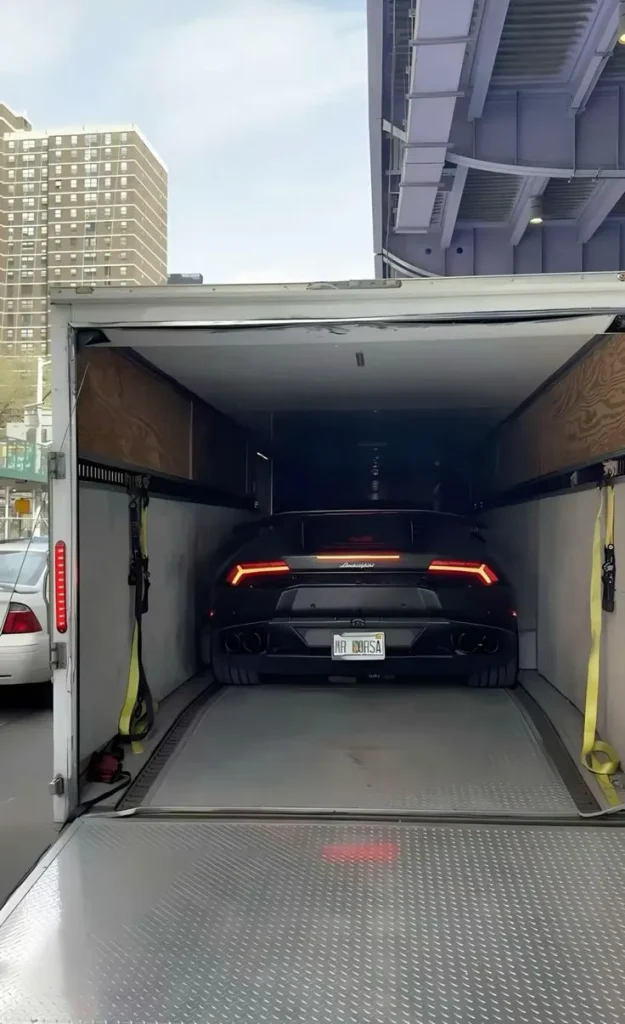
Enclosed car transport moves vehicles inside a covered trailer. The enclosure provides an additional barrier against many outdoor elements encountered during transit.
This service may suit classic cars, luxury vehicles, exotic sports cars, restored automobiles, and collectibles. Owners who want additional protection for a special vehicle may find enclosed transport worth considering.
Enclosed shipping usually costs more than open transport and may have more limited availability on certain routes. Special loading equipment may also be required for vehicles with low ground clearance or unusual dimensions.
## Comparing Protection
Open transport exposes a vehicle to outdoor conditions during the journey. Enclosed transport provides a covered environment that helps shield the vehicle from weather and road debris.
Neither method removes every risk associated with vehicle transportation. Before booking, ask about the carrier’s cargo insurance, policy limits, exclusions, and claims procedures.
Your decision should account for the vehicle’s condition and value, your personal preferences, and the level of protection you want.
## Comparing Cost
Open transport is generally the more budget-friendly option because open carriers can transport multiple vehicles and are widely used.
Enclosed transport often costs more because of specialized equipment, trailer capacity, and route availability. However, the exact price depends on factors such as distance, vehicle dimensions, route demand, season, pickup accessibility, and scheduling.
Request a quote for your specific vehicle and destination. Compare the written terms instead of relying only on general price estimates.
## Comparing Availability
Open carriers are common on many routes and may provide more scheduling options. Enclosed carriers may be less available in some areas, especially for specialized routes or particular vehicle types.
If you are shipping a collectible or specialty car, consider requesting a quote early. This can give you more time to compare the available arrangements and confirm the equipment is suitable.
## Which Option Is Right for You?
Open transport may be a practical choice for everyday vehicles, family cars, and many standard SUVs or trucks. It is often selected when affordability and availability are priorities.
Enclosed transport may be worth considering for a valuable classic, luxury model, exotic vehicle, restored car, or automobile with a special finish. The covered trailer provides additional physical protection during transit.
Vehicle size, condition, modifications, and ground clearance can also influence the choice. Always disclose any special requirements when requesting a quote.
## Questions to Ask Before Booking
Before confirming a shipment, ask what the quote includes, how pickup and delivery will be arranged, whether the exact addresses are accessible, and what the expected schedule will be.
Request the relevant carrier and insurance details. If a third-party carrier is involved, clarify who will physically transport the vehicle and who your main contact will be.
Review the inspection process at pickup and delivery. Keep photographs of the vehicle’s condition and understand how to document concerns if something appears different when the car arrives.
## Find the Right Auto Transport Option
Trusted Auto Transport helps customers explore open and enclosed vehicle shipping options from Los Angeles and other available routes.
Call (213) 672-1899 or email [info@trustedautotransport.us](mailto:info@trustedautotransport.us) to discuss your vehicle, pickup and delivery locations, and preferred shipping method.
The right transport option is the one that fits your vehicle, budget, and expectations. Review your written quote and agreement carefully before confirming the shipment.